Animals in Raroia
Tags: French Polynesia, Raroia, Tuamotu
Date: October 5, 2026
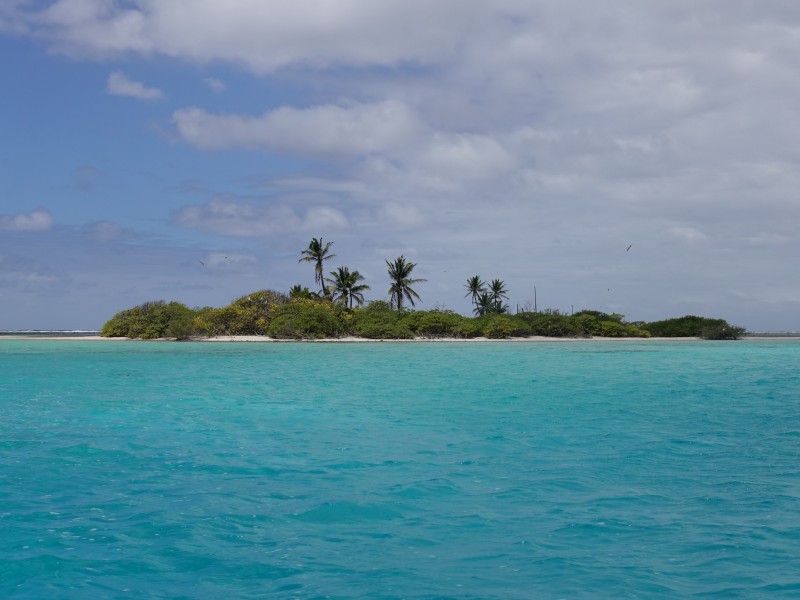
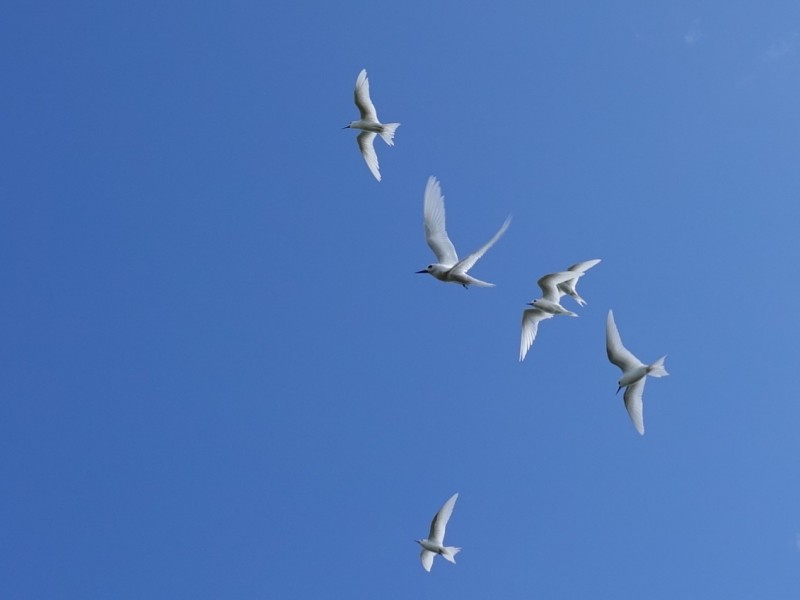
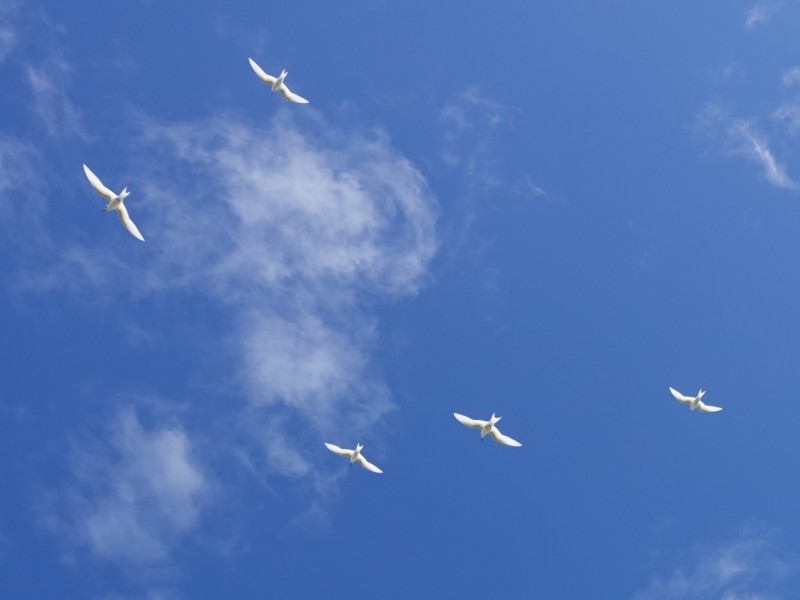
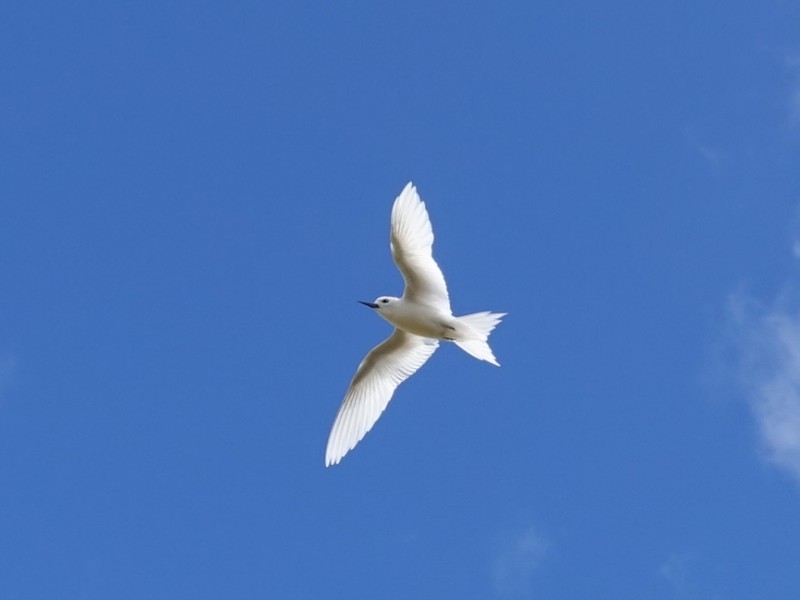
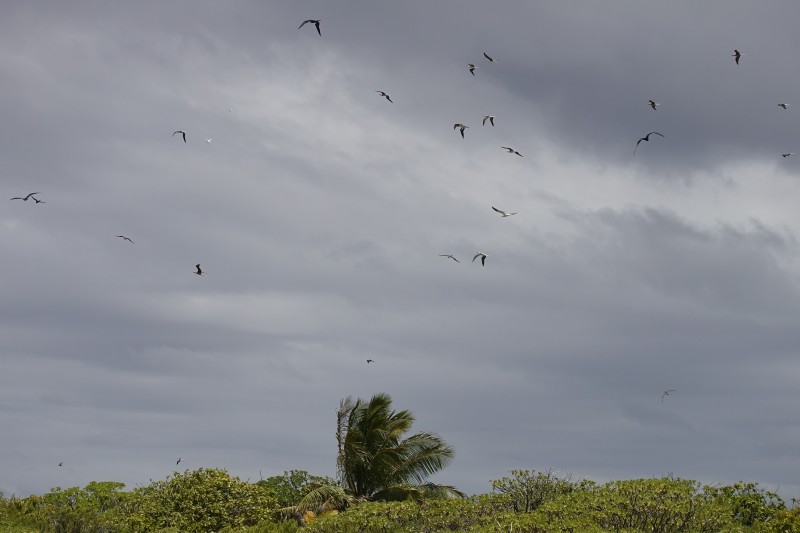
Little white terns flying over the Kon-Tiki motu:
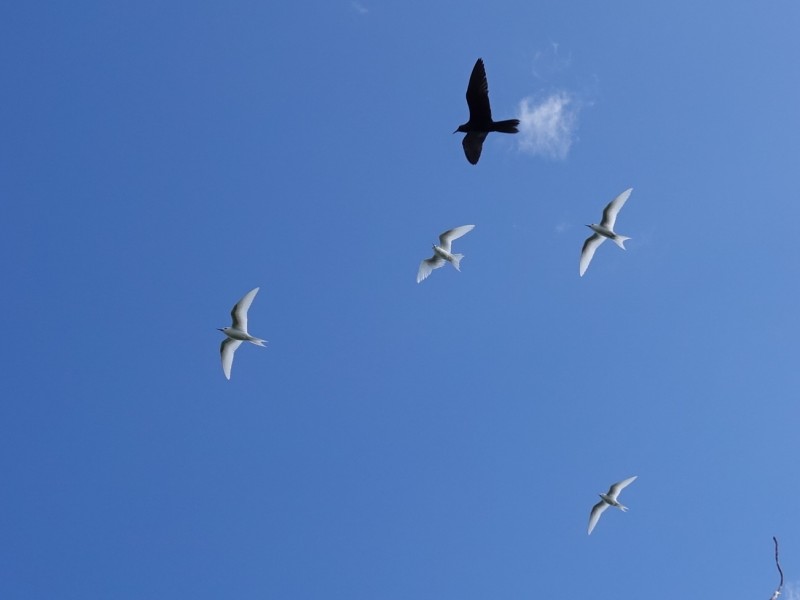
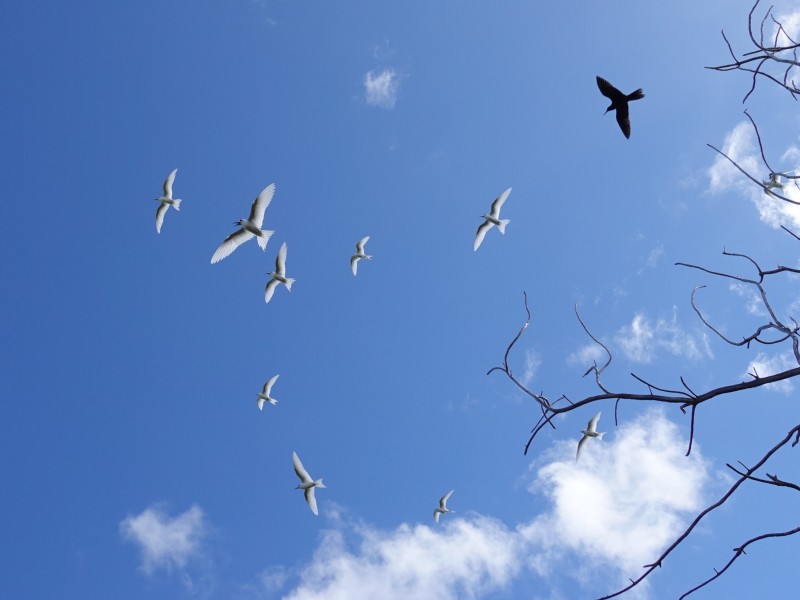
The black bird among the little white terns is probably and brown or black noddy:
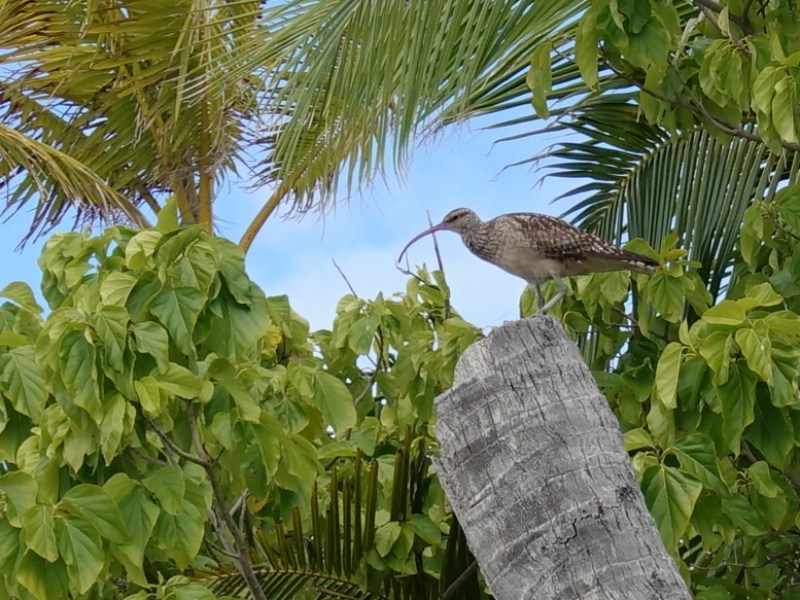
Below is a bristle-thighed curlew. It is an unusual bird in many ways. It has its breeding grounds in Alaska but winters exclusively on oceanic islands and is able to fly nonstop between Alaska and the northwestern Hawaiian islands. Like a few other birds doing long nonstop migrations, it takes on huge fat stores to fuel the flights over open ocean and reduces the size of some of its organs in preparation for these flights. The adults arrive on the breeding grounds in Alaska in May. After the chicks hatch both parents care for them for a few weeks and then leave the chicks in "kindergartens" tended by a small number of adults before heading out to the coast to fatten up on fruits and then heading back to the Pacific islands. The juveniles leave Alaska later, unaccompanied by their parents. Other interesting facts about the curlew is that it is the only shorebird known to become flightless during molt and to use stones as tools to break other birds' eggs when foraging.
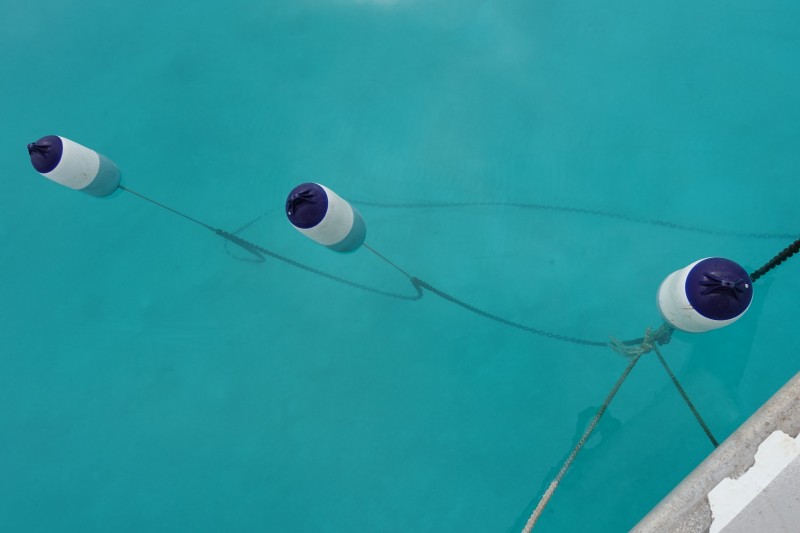
We left Kon-Tiki motu behind and went up to the northern part of Raroia for some days. We anchored in 3-4 m of water and to prevent the anchor chain from getting stuck and potentially harm the coral heads it is customary to tie some floats to the anchor chain to raise most of the chain from the bottom:
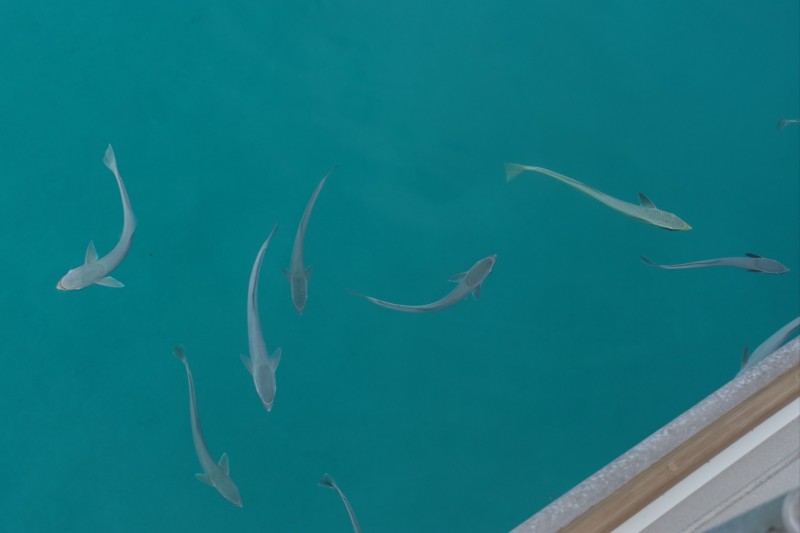
Shark suckers (remoras) often live under our boat and at one point we had about 30 of them. They would come out to feed when the gray water tank (water from the sinks) was being emptied:
A lot of black tip reef sharks live in the shallow water and they came out to circle to boat several times:
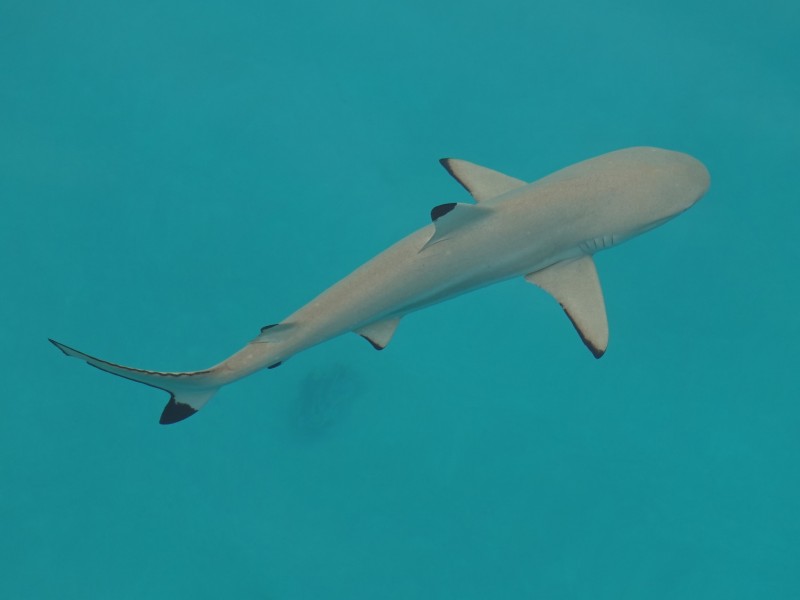
A black tip reef shark and a shark sucker:
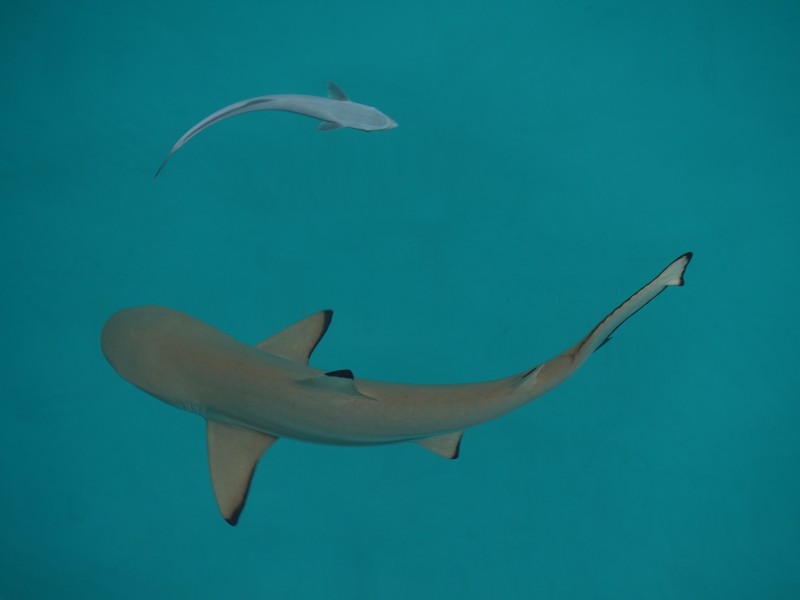
Black tip reef shark with its dorsal fin sticking out of the water:
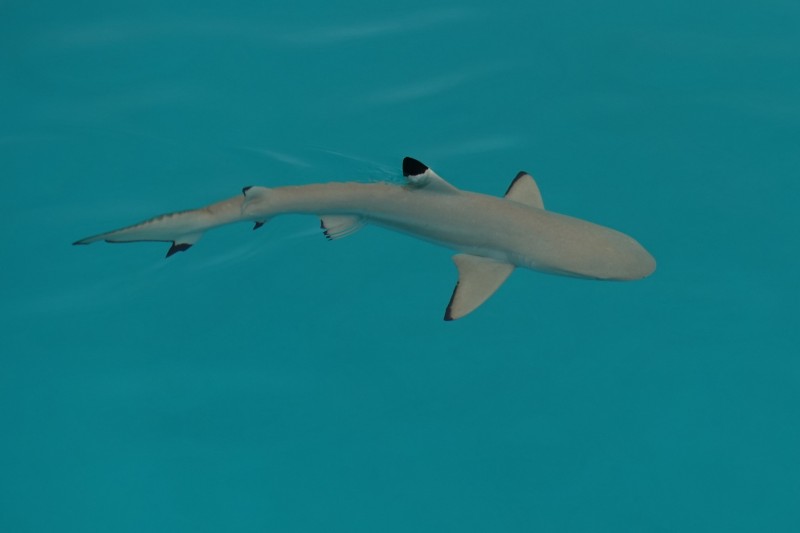
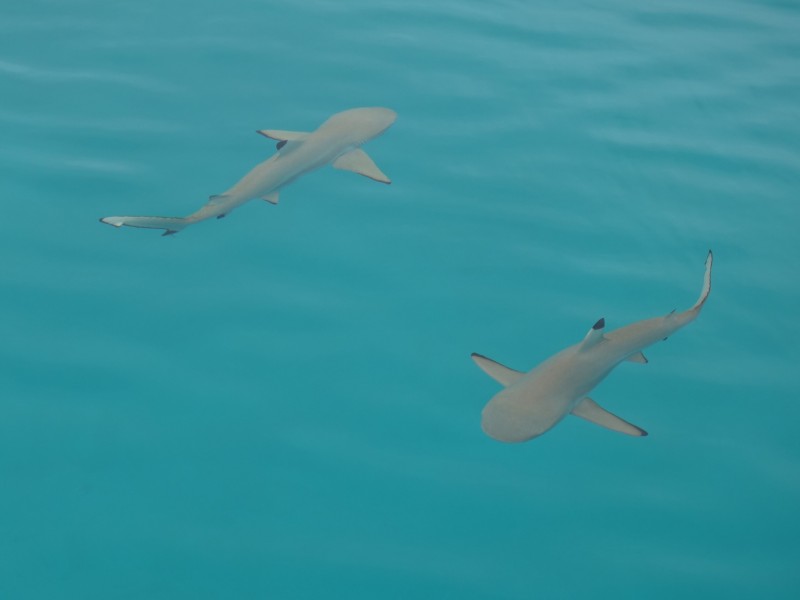
Two black tip reef sharks swimming next to the boat:
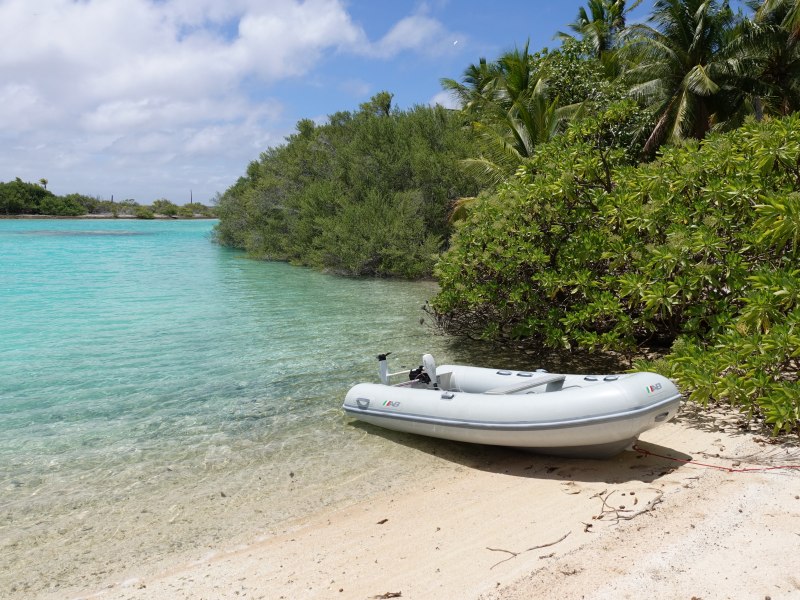
We took the dinghy ashore a couple of times for a hike:
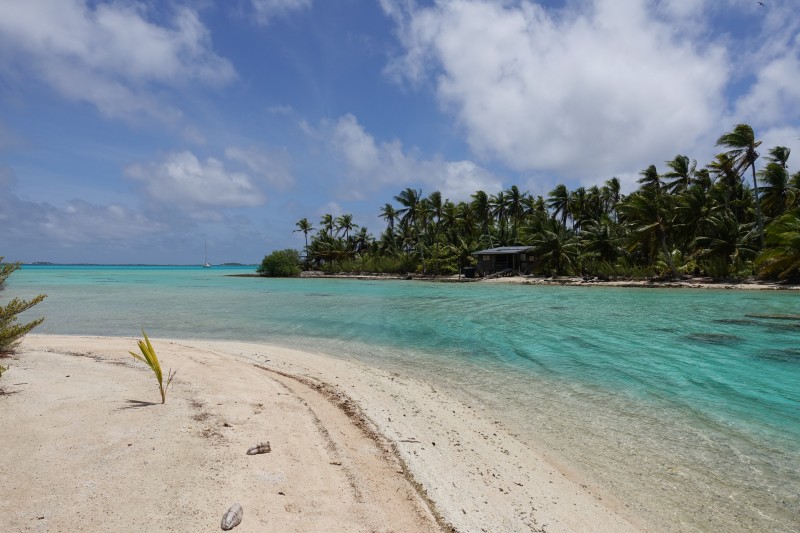
Looking back towards the anchored boat in the distance:
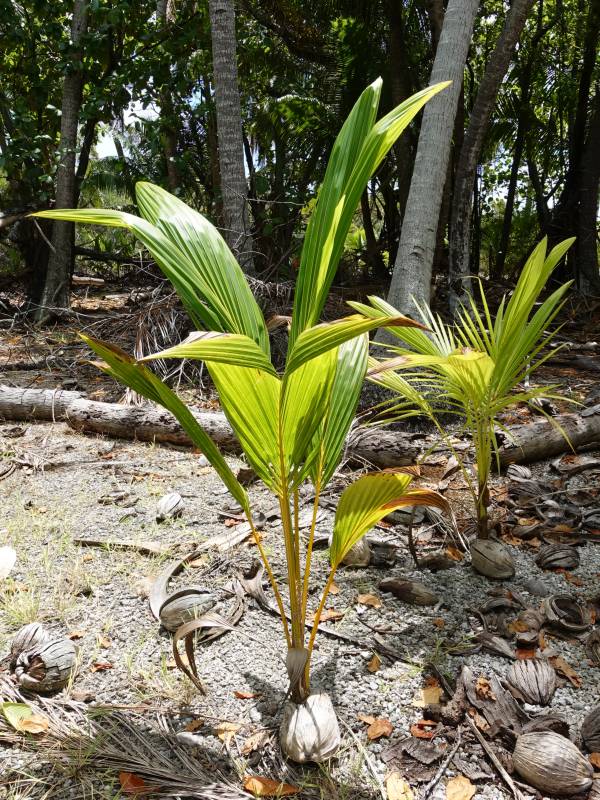
Two sprouted coconuts:
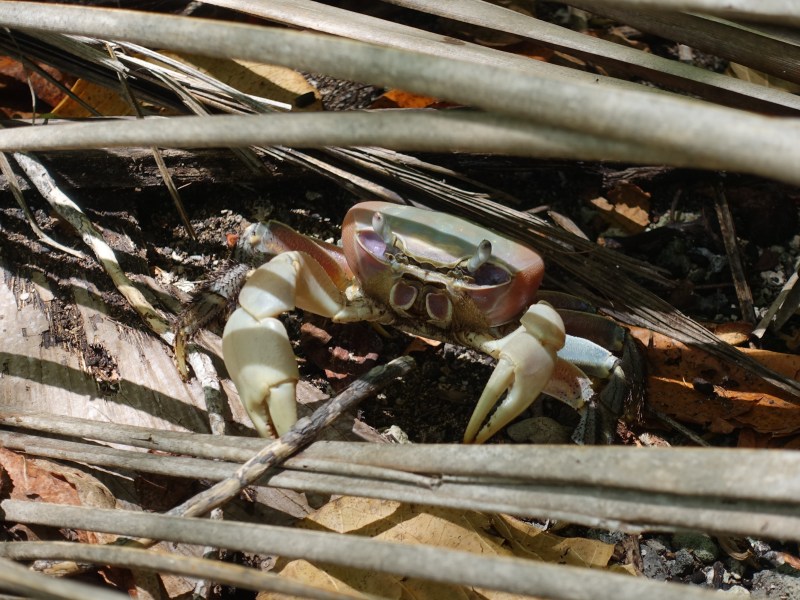
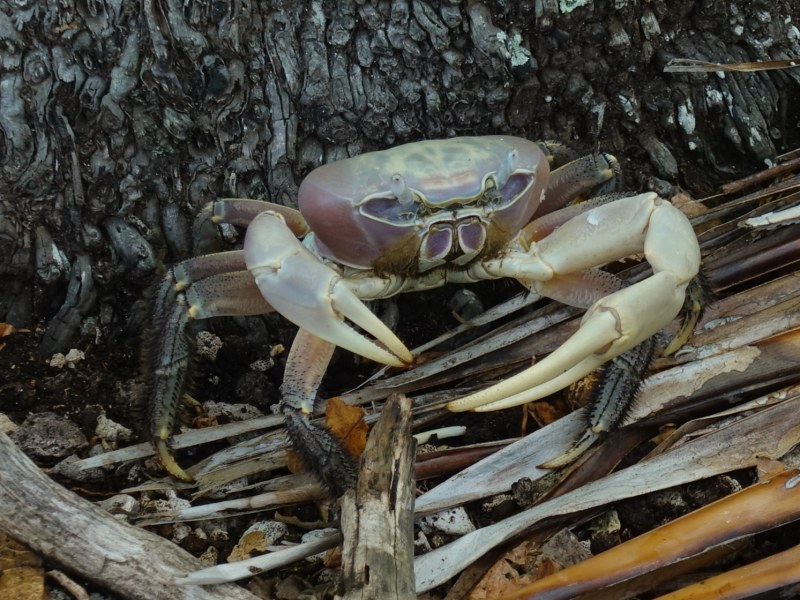
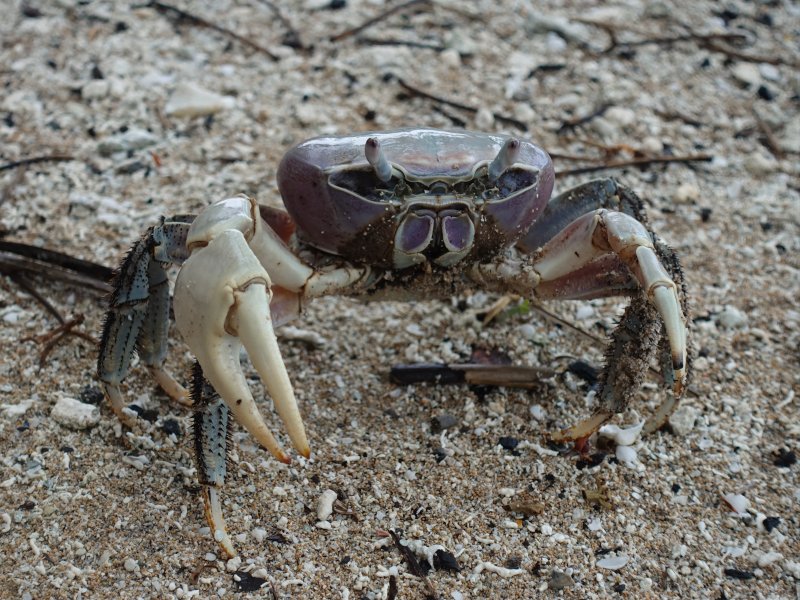
A lot of crabs were running around under the trees:
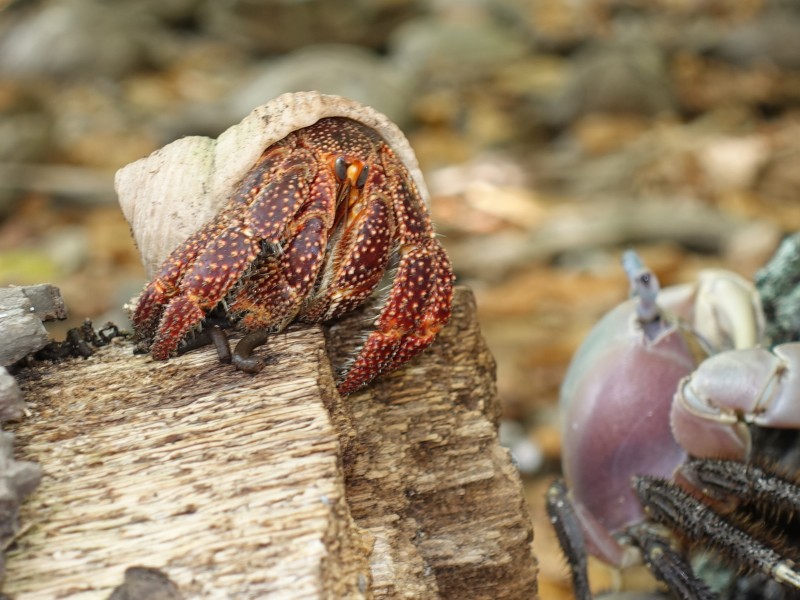
The picture below looks like a hermit crab but is actually a young coconut crab. Coconut crabs are related to hermit crabs and when young they live in conch shells or sometimes in the shell of a coconut to protect their soft abdomen. However, when the crabs are fully grown, the abdomen hardens and they no longer need the protection. Coconut crabs are the largest existing terrestrial arthropods, weighing up to 4 kg and with the distance from the tip of one leg to the tip of another as wide as 90 cm. They can easily climb trees and palms and have been observed to drag a coconut 10 m up a tree and let it drop to break the nut open.
However, coconuts are not a very important part of the diet of coconut crabs, despite the name. Rather, they are opportunistic omnivores feeding primarily on fleshy fruits, nuts, seeds, and the pith of fallen trees. They also eat carrion and other organic matter and have even been observed at least once to kill and eat a Polynesian rat and once a red-footed booby caught up a tree. In addition, anything left unattended on the ground will be investigated and if deemed edible carried away — thereby getting the alternative name of "robber crab".
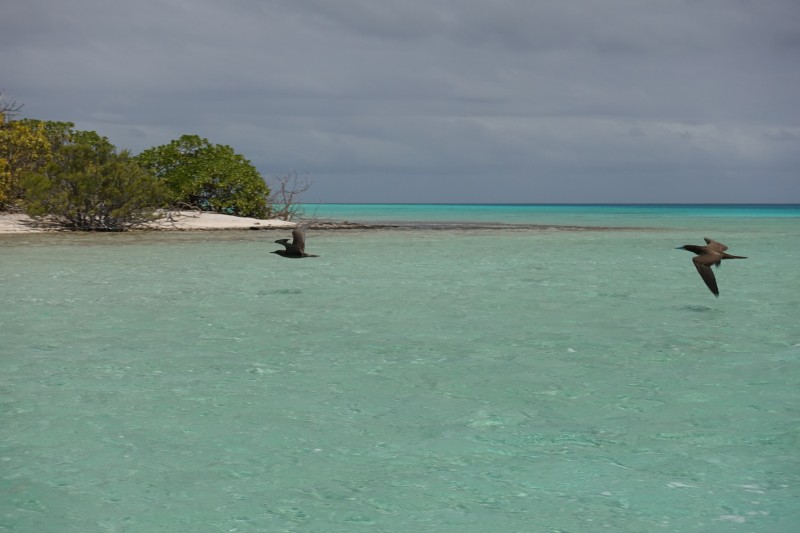
We got stuck on Raroia for a bit longer than planned due to windy conditions that were a little stronger than preferred to sail from the Tuamotus to the Marqueses archipelago. So we moved anchorage once, this time more close to an island with lots of birds, in particular brown boobies:
Here two boobies are racing past us in the dinghy:
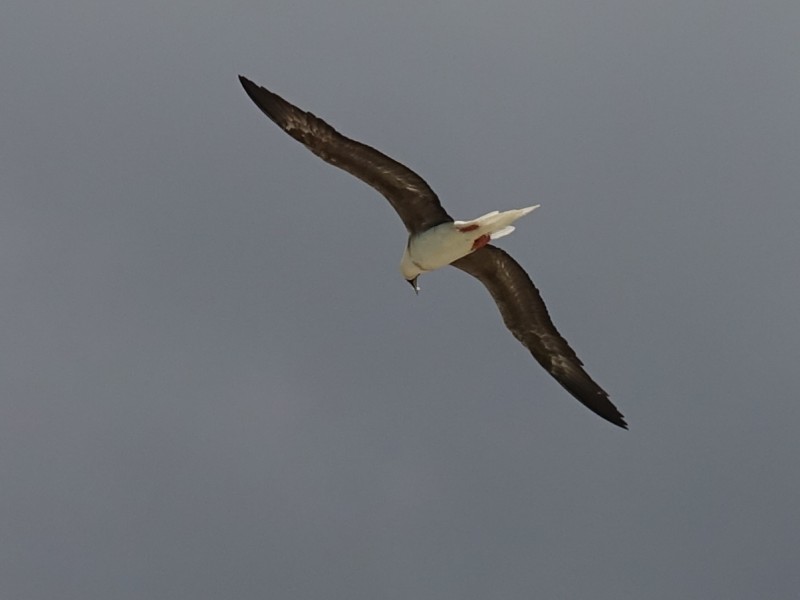
Another flying over us:
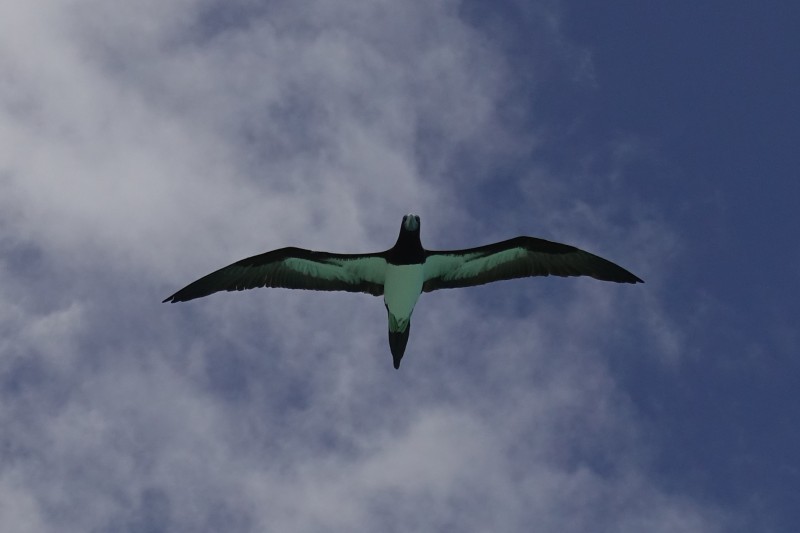
Here is one where the turquoise color of the sea is reflected on the white feathers of the breast and underside of the wings:
Our last motu before leaving the Tuamotus: